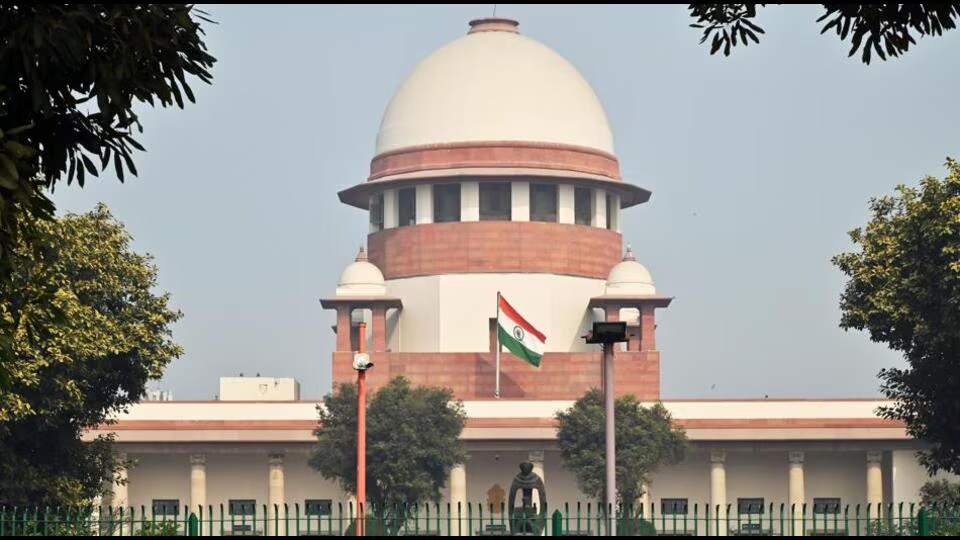
New Delhi, Nov 23 : The Supreme Court on Monday said it was considering allowing only BS6-compliant vehicles in Delhi to tackle the growing air pollution crisis in the national capital and the surrounding National Capital Region (NCR).
A bench comprising Chief Justice Surya Kant and Justices Joymalya Bagchi and V Mohana made the observation while hearing a suo motu case on the regulatory framework for controlling air pollution.
During the hearing, Justice Joymalya Bagchi clearly indicated the court’s preference for restricting vehicles in Delhi to those meeting BS6 emission standards.
“We are clear; we want only BS6 vehicles in Delhi, if not NCR,” Justice Bagchi remarked.
Supreme Court Focuses on BS6 Vehicle Restrictions in Delhi
BS6 (Bharat Stage VI) is India’s latest vehicle emission standard, introduced on April 1, 2020. These vehicles are designed to release significantly lower levels of harmful pollutants compared to older BS4 vehicles.
The Supreme Court is examining whether restricting vehicles to BS6 standards could help reduce vehicular emissions, which remain a major contributor to air pollution in Delhi-NCR.
Supreme Court Proposes Alternative Arrangements for Commercial Vehicles
The apex court also discussed long-term measures to prevent polluting commercial vehicles from entering Delhi without affecting the supply of essential commodities.
Chief Justice Surya Kant suggested developing warehouses near Delhi’s borders to receive goods transported by commercial vehicles. From these warehouses, battery-operated or other non-polluting vehicles could deliver essential items into the city.
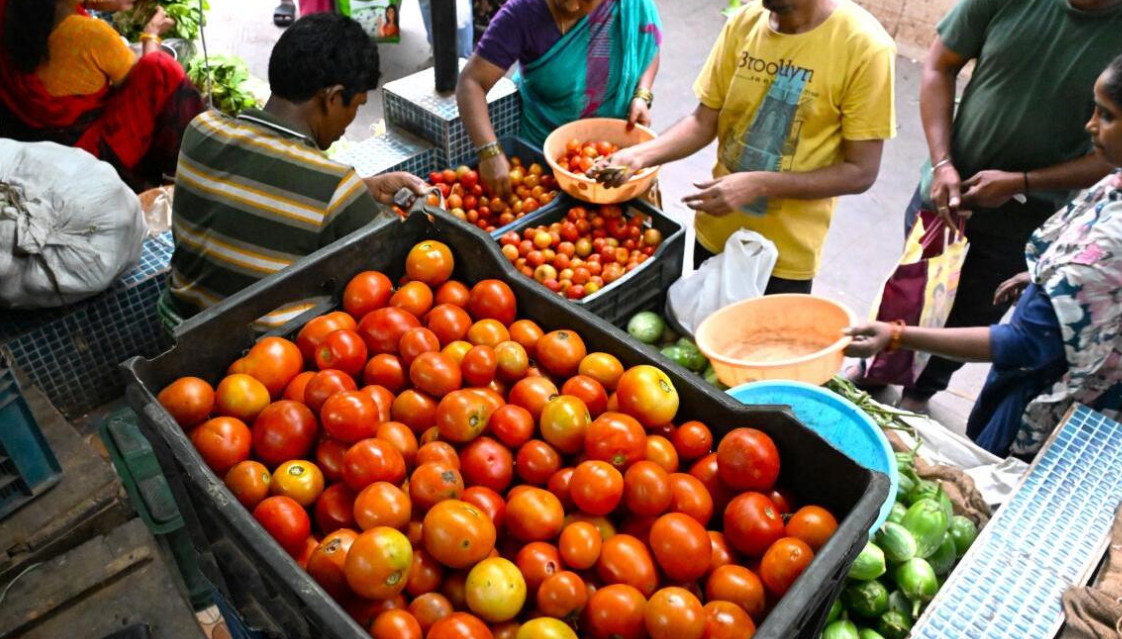
The Chief Justice pointed out that Delhi residents depend on regular supplies of vegetables, fruits and other daily necessities. Therefore, any restrictions on commercial vehicles must ensure that essential goods remain available.
He suggested that such an arrangement might not be practical immediately but could be implemented through a five-year plan.
The proposal aims to gradually reduce the entry of polluting commercial vehicles into Delhi while maintaining the city’s essential supply chain.
Supreme Court Seeks Accountability from NCR States
During the hearing, the Supreme Court also questioned the role of neighbouring states in controlling air pollution across the National Capital Region.
The bench directed Haryana, Punjab, Uttar Pradesh and other concerned states to submit status reports explaining the steps taken to control particulate pollution.
The court expressed concern over the lack of active participation from NCR states in addressing the recurring air pollution problem.
Vehicular Emissions a Major Concern in Delhi-NCR
The Supreme Court had earlier identified vehicular emissions as one of the major reasons behind deteriorating air quality in Delhi-NCR.
It also questioned why the Air Quality Index (AQI) continues to remain at alarming levels despite several pollution-control measures.
The bench highlighted the large number of vehicles travelling between Delhi and neighbouring cities, including Ghaziabad, Greater Noida, Gurugram and Faridabad.
The latest observations indicate that the Supreme Court is considering stricter vehicle emission regulations and long-term transportation reforms to tackle Delhi’s recurring air pollution crisis.