
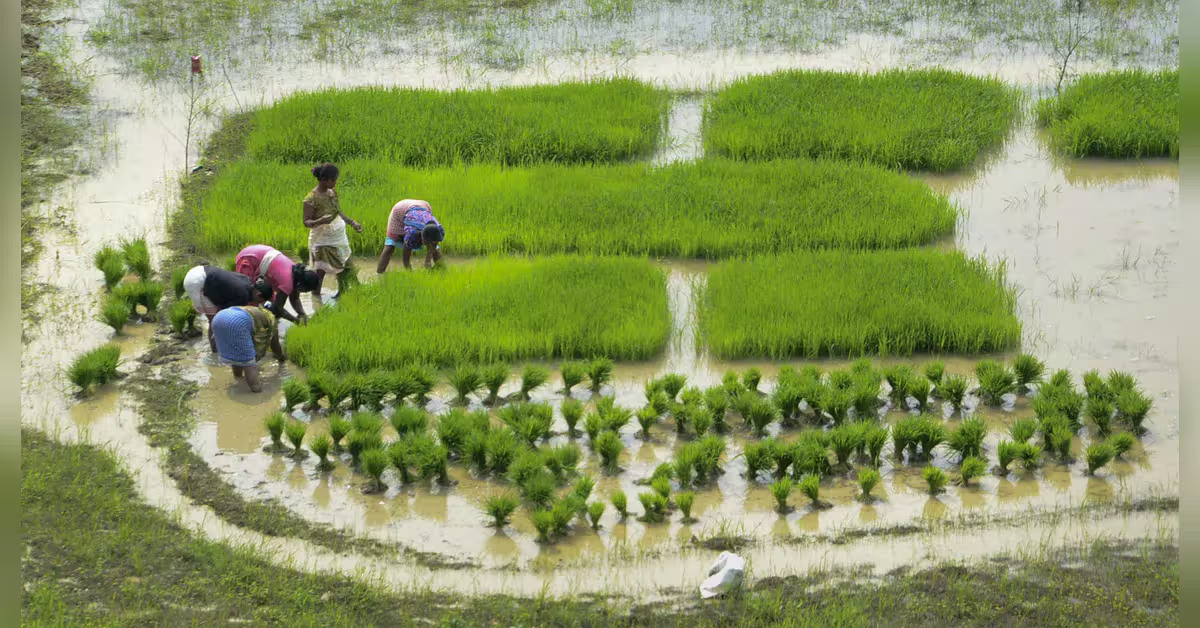
New Delhi, September 28: India’s upcoming rabi season could face significant challenges due to the expected impact of the El Nino weather pattern, particularly in rainfed farming areas. Agriculture Secretary Atish Chandra has warned that adverse weather conditions may affect crop production and overall foodgrain output.
Speaking at a two-day national conference on rabi season preparedness, Chandra said farmers in rainfed regions could face greater weather-related risks during the winter cropping season.
Rabi Season Could Be Challenging
Rabi crops such as wheat, mustard and pulses are generally sown from October onwards. According to Chandra, the coming season could see production affected by changing weather conditions.
Rainfed areas may face prolonged moisture stress if rainfall remains deficient. At the same time, some regions could experience excess soil moisture due to heavy or untimely rainfall.
The Agriculture Secretary said farming strategies need to be adjusted according to local weather and soil conditions.
Climate Change Increasing Risks for Farmers
Chandra said climate change is already affecting Indian agriculture, rather than being a future concern.
Even irrigated areas have experienced untimely and heavy rainfall in several locations, damaging standing crops. He stressed the need for agriculture policies and farming practices that can respond to rapidly changing weather patterns.
Wheat, Pulses and Oilseeds Cover Large Rabi Area
Rabi crops are normally cultivated across around 638 lakh hectares in India.
- Wheat: More than 300 lakh hectares
- Pulses: Around 140 lakh hectares
- Oilseeds: Around 87 lakh hectares
- Coarse cereals: Around 55 lakh hectares
The large area under these crops means weather disruptions during the rabi season could have a significant impact on agricultural production.
Focus on Crop Diversification
The Agriculture Secretary called for greater crop diversification to improve self-sufficiency and strengthen the resilience of Indian agriculture.
India is largely self-reliant in cereals but continues to depend on imports for products such as pulses, oilseeds and some fruits.
However, crop diversification also faces challenges related to agricultural research, climate resilience and farmer incomes. Chandra said diversification needs to be combined with sustainable farming practices.
Sustainable Agriculture and Soil Health
The government has introduced initiatives such as Per Drop More Crop and soil health programmes to promote sustainable agriculture.
Chandra said these programmes should be assessed based on their actual impact on farms and farmer incomes, rather than only by looking at subsidy distribution.
Infrastructure Gaps Need Attention
Agricultural infrastructure was identified as another major priority. Chandra pointed to gaps in both pre-production and post-production infrastructure.
Modernising storage, transportation and other facilities could help reduce farm losses and improve the efficiency of the agricultural supply chain.
Horticulture Growing Faster
Chandra also highlighted the rapid growth of the horticulture sector. Fruits and vegetables do not have the same procurement mechanism available for many traditional crops, but production and markets are expanding because of increasing consumer demand.
He said existing agricultural reforms and market systems need to be examined to ensure that regulatory safeguards do not prevent reforms from delivering their intended benefits.
Digital Agriculture and Farmer IDs
Digital agriculture was described as a key priority for better agricultural planning.
Chandra said a lack of accurate and timely data can weaken decisions related to rabi, kharif and zaid crops. Reliable information on land coverage, crop production and farmers is needed for effective planning.
The government is therefore focusing on Farmer IDs, linking farmers with land records and bringing cultivators into a more integrated digital agricultural system.
Outlook for the Rabi Season
The upcoming rabi season is expected to test India’s ability to manage El Nino, climate change and weather-related agricultural risks. Strengthening irrigation, infrastructure, crop diversification, digital records and sustainable farming practices will be important for protecting farm production and farmer incomes.





