Amaravati, Oct 24: Andhra Pradesh local body elections have triggered a political controversy following allegations of attacks on YSRCP candidates, obstruction of nominations, and police action against opposition leaders.
Alleged Attacks on YSRCP Candidates Raise Election Concerns
The ongoing local body election process in Andhra Pradesh has become controversial, with the YSR Congress Party (YSRCP) alleging that its candidates are being prevented from filing nominations freely. According to opposition leaders, incidents include the tearing of nomination papers, attacks on candidates and party workers, and late-night assaults at candidates’ residences.
YSRCP leaders have accused several Telugu Desam Party (TDP) leaders, along with sections of the police personnel, of creating an atmosphere of fear during the election process. These allegations have raised questions about the ability of opposition candidates to participate freely in local body elections.
Former Minister Vidadala Rajini Incident in Chilakaluripet Sparks Outrage
One incident that has attracted significant attention involves former Andhra Pradesh Health Minister and YSRCP leader Vidadala Rajini, who was allegedly placed under house arrest by the Palnadu district police and prevented from leaving her residence in Chilakaluripet.
When Dalit leader and ZPTC candidate Pandula Bullabbai reportedly attempted to meet her, a female police officer allegedly tried to stop Rajini. During the confrontation, the former minister fell to the ground.
A video of the incident went viral on social media, drawing criticism from across the country and prompting the State Election Commission to order an inquiry into the episode.
Several videos purportedly showing YSRCP leaders being prevented from carrying out election-related activities by TDP leaders and police personnel are also being circulated on social media.
Social media commentator Dhruv Rathee shared a video and questioned what was happening in Andhra Pradesh. The All India Mahila Congress, senior advocate Prashant Bhushan, fact-checker Mohammed Zubair, and CJP leader Saurav Das were also among the prominent voices cited in discussions and criticism surrounding the incidents.
The reactions have increased scrutiny of the situation in Andhra Pradesh, particularly over allegations of police misconduct and restrictions on opposition candidates. Critics argue that such incidents could damage the state’s public image and raise concerns about democratic rights.
Chandrababu Naidu’s Press Meet Draws Political Criticism
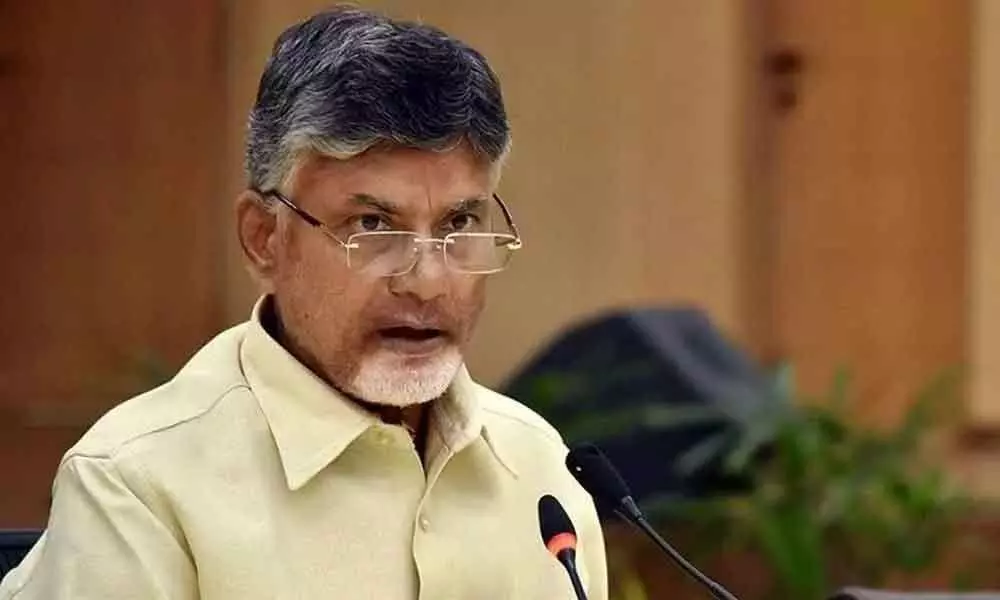
Amid the growing controversy, Chief Minister Chandrababu Naidu held an extended press meet. Instead of focusing primarily on the alleged obstruction of nominations, attacks on opposition leaders, and law-and-order concerns, Naidu chose to raise issues involving the family of YSRCP president Y. S. Jagan Mohan Reddy.
This approach has drawn criticism from opposition supporters, who argue that the election process deserves greater attention from the Chief Minister rather than limiting the discussion to Jagan’s family matters.
The YSRCP and its supporters have accused the TDP-led NDA coalition government in Andhra Pradesh of attempting to shift public attention away from the election controversy.
Free and Fair Elections Remain the Key Issue
The controversy surrounding Andhra Pradesh’s local body elections has become a test of public confidence in the election process and the state administration.
The opposition has highlighted alleged attacks, restrictions on its leaders, and incidents involving women candidates.
Ultimately, the key issue is whether every eligible candidate can file a nomination and participate in the election without intimidation, discrimination, or unlawful interference.
The state government and election authorities must address credible complaints, investigate allegations impartially, and take appropriate action wherever violations are established.
At this juncture, protecting the integrity of local elections in the state is more important than political point-scoring. Ensuring a fair process, maintaining law and order, and safeguarding democratic rights should remain the administration’s primary responsibilities.