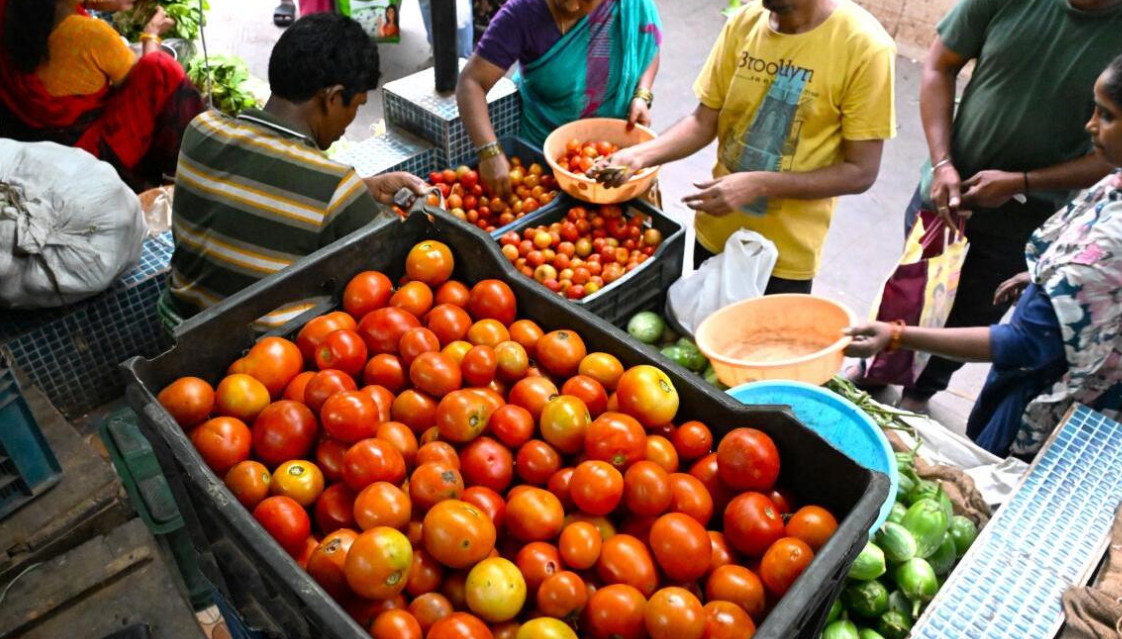
Kolkata, Nov 25 Amid a sharp rise in the prices of vegetables and other essential commodities, Kolkata Police’s Enforcement Branch (EB), along with the state government’s task force and Kolkata Municipal Corporation officials, inspected around 20 wholesale and retail markets across the city on Wednesday to check for possible hoarding, artificial scarcity and excessive profiteering.
The coordinated inspections, conducted across Kolkata, came a day after Chief Minister Suvendu Adhikari directed the police and administrative officials to launch sustained enforcement drives against traders allegedly creating artificial shortages and manipulating market prices.
Around 10 teams visited markets across north, central and south Kolkata, including Koley Market, Shyambazar, Hatibagan, Maniktala, Kankurgachi, Baithakkhana, Gariahat, Lake Market, Jadu Babu’s Market, Behala, Garia and Tollygunge, officials said.
They examined stocks of rice, garlic, potatoes and onions in warehouses and shops, checked wholesale purchase and retail sale receipts to identify abnormal price differences, and inspected weighing machines and displayed price lists.
The Enforcement Branch warned that evidence of illegal hoarding, black marketing or excessive profiteering could invite stock seizure, cancellation of licences and legal action, they said.
The crackdown follows a steep rise in the prices of vegetables and daily essentials. Brinjal is selling at Rs 100-120 per kg and bitter gourd at around Rs 80, while potatoes, pointed gourd and green chillies have also become considerably costlier.
Mustard oil, which was selling at around Rs 170 per litre, now costs nearly Rs 220, while loose sugar prices have touched Rs 80 per kg against around Rs 50 earlier. Rice prices have also risen by more than 20 per cent in recent months, traders said.
At a meeting with senior officials and representatives of traders’ associations at the state Secretariat on Tuesday, Adhikari expressed concern over the abnormal price rise and said the government would not tolerate artificial scarcity and illegal stockpiling at the expense of consumers.
He directed the police and task force to conduct regular inspections and asked the agriculture secretary and marketing department officials to hold weekly meetings with market committees and traders’ bodies every Monday to review prices and supply conditions.
A WhatsApp group involving traders and officials will also be set up for quicker information-sharing.
While the administration is examining possible market manipulation, traders have attributed the sudden spike in vegetable prices largely to unseasonal rainfall.
Recent showers under the influence of Cyclone Akvan reportedly damaged standing crops and disrupted supplies across parts of south Bengal.
Cauliflower, cabbage, brinjal, pointed gourd and bitter gourd, besides early-season potatoes, are among the crops said to have suffered damage due to water-logging.
Traders have also alleged that middlemen are exploiting the supply disruption to inflate prices despite adequate potato stocks in cold storages. The difference between farm-gate and retail prices can reach Rs 20-30 per kg due to multiple intermediaries, they said.
Ravindranath Kole, general secretary of the Forum for Traders’ Organisation of West Bengal and a former member of the previous government’s market task force, said sudden rainfall had damaged vegetables in the fields, triggering the price rise.
“Instead of officials simply hitting the markets, the government should consult market organisations and take coordinated steps,” he said.
Kole said traders’ organisations, which had worked with the Agriculture Marketing Department for 15 years to stabilise prices, were willing to extend cooperation to the present government.
Retail traders, meanwhile, said they were being forced to charge more as wholesale procurement costs, transportation and labour expenses had increased.
Losses from unsold and perishable stocks were adding to the difficulties, they claimed.
“What is the point of conducting raids and harassing us? We sell vegetables after adding our margin to the price at which we procure them from wholesale markets. Otherwise, how are we supposed to sustain our businesses?” said Amritlal Mondal, a vegetable trader at Behala Bazar.
Consumers have also complained of wide price variations across markets.
Arnabkanti Das, a Bhabanipur resident, alleged that vegetables selling at Rs 25-40 per kg elsewhere were priced at Rs 60-75 at Jadu Babur Bazaar.
“I had brought this to the notice of the police during their inspections last week. Prices came down somewhat following police intervention, but such monitoring needs to be sustained,” he said.
Kolkata Police had last week conducted inspections at Jadu Babur Market, which falls in the chief minister’s assembly constituency of Bhabanipur, following complaints of inflated prices of vegetables, fish and chicken.
An Agriculture Marketing Department official said the department was implementing the chief minister’s directions and would continue inspections to provide relief to consumers.
The administration has indicated that enforcement drives will continue across Kolkata and other districts until prices stabilise.
A similar exercise was undertaken in August following concerns over rising onion and sugar prices.
(PTI News)