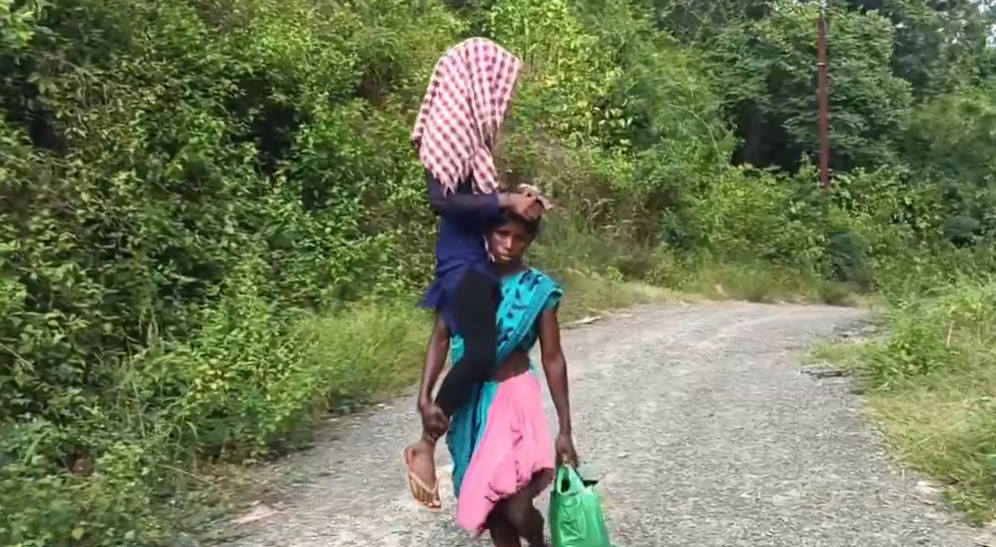
New Delhi, Nov 15 Prime Minister Narendra Modi on Sunday said tribal communities bore the brunt of Naxal violence and were not even allowed to exercise their right to vote in Maoist-affected areas, accusing previous governments of remaining “mute spectators” as extremists abducted children and young women.
Virtually addressing a ‘Janjatiya Gaurav Diwas’ programme at Gadchiroli in Maharashtra marking the 151st birth anniversary of tribal freedom fighter Birsa Munda, Modi described lifting nearly 50 crore Indians out of extreme poverty over the past 12-13 years as one of the country’s greatest achievements since Independence.
The prime minister noted that the country has become “free from Naxalism and Maoist terror” and said both achievements were deeply connected with the lives of tribal communities, which had long suffered from violence and developmental neglect.
“During that period, the people affected by Maoism and Naxalism, these very brothers and sisters of mine, had been left to their fate by the governments of that era. Their rights had been taken away. Everyone sat in silence and remained quiet.
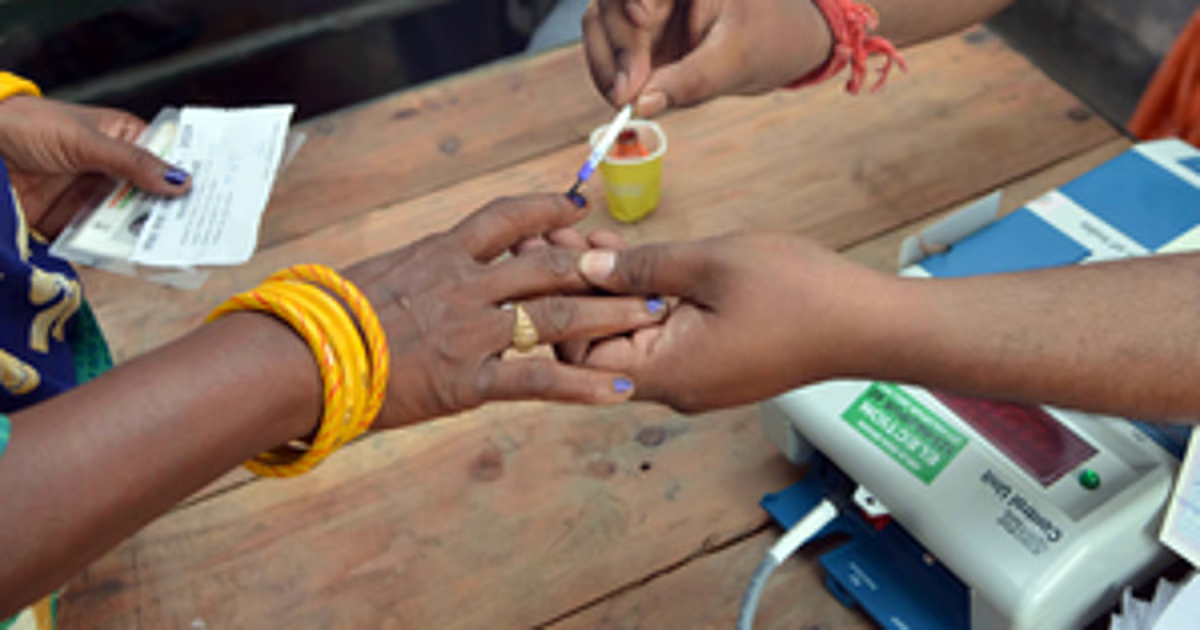
“You would be shocked to know that these brothers and sisters from our tribal communities were not even allowed to vote. The governments of that time remained mere spectators and sat with their eyes closed,” Modi said.
Modi alleged that Maoists forcibly took away children from their mothers and abducted young tribal women, while the governments of the day watched helplessly. However, the situation has since changed with the elimination of Maoist violence, Modi said.
“Now that Maoism and Naxalism have been defeated, those mothers, the mothers and sisters of my tribal community, are showering countless blessings upon us,” he said.
Children whose childhood was affected by violence are now getting opportunities for education and employment, he added.
Recalling his recent Diwali celebrations with security personnel in Chhattisgarh’s Bastar, Modi said the festival had brought “not only the light of lamps but also the light of hope” to formerly Naxal-affected regions, including Gadchiroli.
Referring to what he described as two major achievements of the country, Modi said, “The first achievement is that nearly 50 crore people have overcome extreme poverty and risen out of it. This is a very large number, 50 crore people. I consider this one of the greatest achievements of the country since Independence. The second achievement is that the country has become free from Naxalism and Maoist terror.”
The prime minister said the Centre has allocated more than Rs 1 lakh crore for the PM-JANMAN scheme and the Dharti Aaba Janjatiya Gram Utkarsh Abhiyan to accelerate development in the tribal areas that remained deprived of basic facilities.
The government has prioritised the deprived communities by providing more than four crore pucca houses to poor families, extending electricity to 18,000 villages that remained without power even decades after Independence, and providing free treatment of up to Rs 5 lakh to people under the Ayushman Bharat scheme, the prime minister said.
More than 1.75 lakh Ayushman Arogya Mandirs have been set up across the country, extending healthcare services to the remote tribal areas, he added.
The government, he noted, has also provided collateral-free loans under the MUDRA scheme to create livelihood opportunities for poor families.
Modi said special development campaigns have been undertaken in more than 100 aspirational districts and over 500 aspirational blocks, many of which have a substantial tribal populace.
The PM Dhan-Dhaanya Krishi Yojana will focus on 100 districts lagging in agriculture to create better opportunities for farmers and tribal communities, he said.
Recalling the contributions of tribal communities to India’s freedom struggle, the prime minister referred to the sacrifices of several tribal heroes, including Tirot Sing of the Khasi Hills, the leaders of the Kol movement, Sidho-Kanho of the Santhal rebellion, Govind Guru, Rani Gaidinliu, Tantya Bhil, Alluri Sitarama Raju and Rani Durgavati.
He also said the observance of Janjatiya Gaurav Diwas, which began on this day in 2021, has grown into a national celebration.
To mark the occasion, more than 170 tribal development projects were inaugurated on Sunday, while foundations were laid for over 70 projects, worth around Rs 3,000 crore, across states.
These included educational institutions, healthcare facilities, marketing centres for tribal products and projects to improve basic infrastructure in villages.
Modi also expressed pride in the fact that a woman from the tribal community, President Droupadi Murmu, is leading the country.
“Today, even the leadership of the country is in the hands of a daughter from the tribal community. We are all proud of President Droupadi Murmu ji,” he said.
Calling on people to draw inspiration from tribal icon Birsa Munda, the prime minister urged them to work towards the goal of a developed India and make Janjatiya Gaurav Diwas an even stronger national celebration every year.
Maharashtra Governor Jishnu Dev Varma, Chief Minister Devendra Fadnavis, Deputy Chief Minister Eknath Shinde, Union Tribal Affairs Minister Jual Oram and his deputy Durga Das Uikey were present in Gadchiroli during the programme.
(PTI News)