Bengaluru, Nov 14 Karnataka Chief Minister D K Shivakumar on Saturday described the cooperative sector as a gateway to farmers’ economic independence and stressed the need to strengthen cooperative institutions to improve their financial well-being.
Inaugurating the 73rd Cooperative Week-2026, organised by the Karnataka State Cooperative Federation here, he said the government would continue to support cooperative institutions, describing them as the backbone of farmers’ livelihoods.
Shivakumar said nearly 17 lakh farmers were benefiting from interest-free crop loans under the crop loan and interest subsidy scheme, for which the government had provided Rs 1,135 crore in various forms.
“The cooperative movement is a movement of the people, by the people and for the people. Equal share and equal participation for all are its fundamental principles. The cooperative sector is the gateway to farmers’ economic freedom,” he said.
He said cooperative institutions, particularly District Central Cooperative (DCC) banks and Primary Land Development (PLD) banks, played a crucial role in providing farmers access to credit for agricultural activities, seeds, fertilisers and other expenses, especially when securing loans from nationalised banks was difficult.
Around 25 lakh farmers in Karnataka were members of milk producers’ cooperative societies, which supplied milk to a large section of the state’s population. The government was also providing incentives to milk producers, he said.
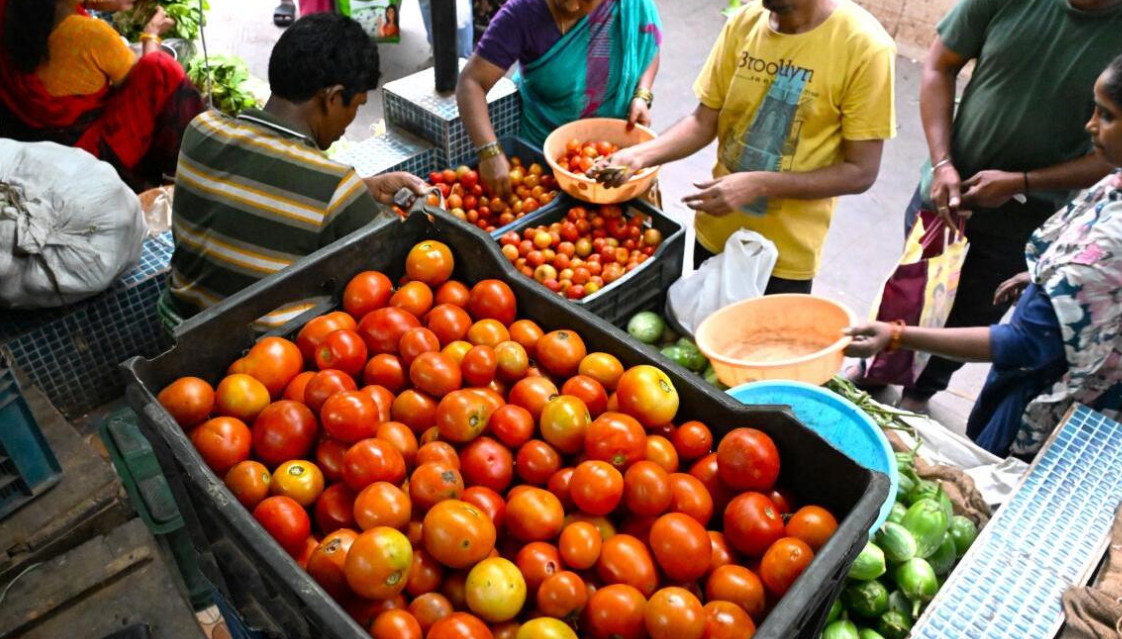
Cooperative institutions had also helped regulate vegetable prices, establish sugar factories and create markets for sugarcane, he said.
Cooperative societies had extended financial assistance to sugar factories, while competition from cooperative mills had helped keep private mills in check, he added.
Urban cooperative banks and other financial institutions were supporting house construction, gold loans and business activities, while land development banks were extending credit for land development, agriculture and the installation of pump sets, he said.
Shivakumar said institutional interests and public service should take precedence over political considerations in the cooperative sector.
“People work together through mutual understanding during cooperative elections. This sector functions almost like a political party of its own,” he said in a lighter vein.
Observing that some individuals had been managing the same institutions for 25 to 30 years, he said changing the leadership of several cooperative institutions, including the Mangaluru DCC Bank, had not been easy, even when governments changed.
He acknowledged the contributions of leaders, including Congress MLA and former Minister H K Patil, to the growth of urban cooperative banks. DCC banks and other cooperative institutions continued to serve as a financial backbone for farmers and ordinary people, he said.
The Chief Minister said Rs 1,592 crore had been earmarked for interest-free loans, while financial assistance amounting to Rs 13,135 crore had been extended through the cooperative sector. Long-term loans totalling Rs 1,551 crore had also been disbursed to around 75,000 families through DCC and PD banks.
Under the Ksheeradhare scheme, milk producers were being given an incentive of Rs 5 per litre. The Yashaswini scheme covered 52 lakh members, with around 9,450 hospitals in its network providing medical treatment, he said.
Taking a swipe at Union Minister Shobha Karandlaje over her protest against the increase in milk prices, Shivakumar said the government had raised the price to ensure better returns for milk producers.
“Does she understand the difficulties faced by farmers, the hardships involved in rearing cattle, or even the smell of cow dung and urine?” he asked.
Milk producers deserved remuneration commensurate with their efforts, and Karnataka farmers were receiving less than those supplying milk to Amul, he said.
“Rearing cows, providing them fodder and medicines, and taking care of them is not an easy task. If Amul pays Rs 61-62 per litre, our farmers are getting only Rs 54. Let the Prime Minister reduce Amul’s milk price, and we will also reduce ours,” he said.
Milk prices in most states were higher than in Karnataka, and ensuring fair remuneration for milk producers was the government’s responsibility, he added.
Shivakumar called for greater priority and support for the cooperative sector to strengthen farmers and ensure financial stability in agriculture. He noted that Maharashtra and Gujarat had developed strong cooperative institutions.
The union Home minister had given greater attention to the sector, he added.
Shivakumar said the government had introduced the Negaaliyogi programme to support agricultural livelihoods amid a declining cattle population and growing dependence on tractors. The Teak Siri programme had also been launched to encourage tree cultivation in rural areas.
The CM said Karnataka had sought Rs 22,000 crore in assistance from the Centre to address drought conditions.
“We recently submitted a representation to the Prime Minister, seeking assistance of Rs 22,000 crore for the state. We have provided detailed information on losses amounting to around Rs 60,000 crore,” he said.
He said housing cooperative societies had provided residential sites to lakhs of people in Bengaluru, estimating that 30 to 40 lakh people might have benefited from these initiatives. The Bangalore Development Authority was also working to provide residential sites to the poor, he added.
(PTI News)