New Delhi, Oct 21 Delhi recorded its first ‘poor’ air quality day of the season on Wednesday, with the AQI touching a 100-day high of 245, prompting the Centre to invoke Stage I of the Graded Response Action Plan (GRAP) across the capital and NCR.
The last time the city recorded a comparable Air Quality Index (AQI) was on July 13, when it stood at 246.
The deterioration comes a day after Dussehra, when Ravan effigies packed with firecrackers were burnt at several locations across Delhi and NCR. However, no direct link has been established between the celebrations and the worsening of the air quality.
With temperatures starting to drop and pollution levels deteriorating, the capital is entering a period when unfavourable weather conditions can hinder the dispersion of pollutants.
Under Stage I of GRAP imposed by the Commission for Air Quality Management (CAQM), authorities will strengthen dust-control measures at construction sites, prevent open burning of garbage and biomass, check vehicles for valid Pollution Under Control (PUC) certificates and act against visibly polluting vehicles and overage petrol and diesel vehicles.
Inter-city and inter-state buses from specified states, including Haryana, Uttar Pradesh and Rajasthan, cannot operate in Delhi-NCR unless they are electric, CNG-powered or BS-VI diesel buses.
Authorities must also intensify inspections of industries, brick kilns and hot-mix plants, improve traffic flow, ensure mechanised road sweeping and water sprinkling, and prevent fires at landfill and dumpsites.
According to the Decision Support System for Air Quality Management in Delhi, developed by the Indian Institute of Tropical Meteorology (IITM), the transport sector within Delhi was the largest contributor to the city’s pollution on Tuesday, accounting for 20.5 per cent. Stubble burning contributed around 8 per cent.
Data analysed by the Centre for Research on Energy and Clean Air (CREA) showed that in the previous decade, 2015 to 2025, Delhi’s air quality entered the ‘poor’ category in the first half of October.
This year, however, the city entered the category on October 21, the most delayed in the period covered by the available data.
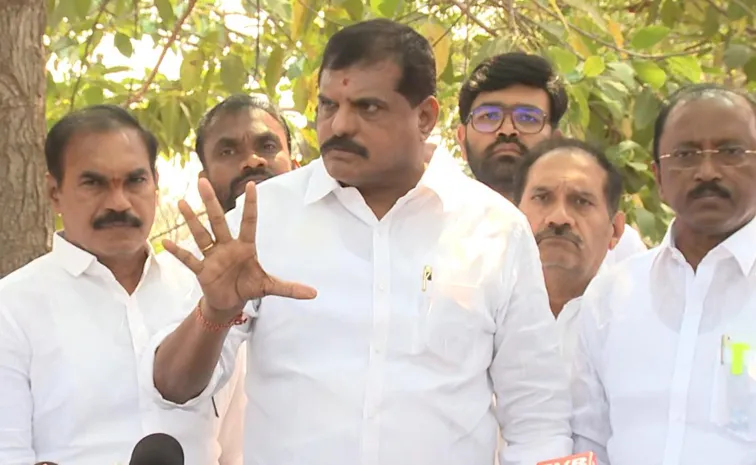
With official forecasts indicating that Delhi’s air quality is likely to remain in the ‘poor’ category for at least a week, Environment Minister Manjinder Singh Sirsa said the government is implementing a comprehensive pollution-control plan involving around 30 agencies.
According to the Air Quality Early Warning System, the air quality is likely to remain ‘poor’ until October 23 and the outlook for the subsequent six days indicates the likelihood of no change.
Sirsa said Stage I of GRAP had been invoked later this year than in previous years, attributing it to the government’s preventive measures and public participation.
He said that according to the government’s assessment, Delhi has recorded 214 clean-air days so far this year, the highest in the past decade, excluding the COVID-19 period.
The contribution of stubble burning is forecast to rise to over 13 per cent on Thursday from around 8 per cent on Wednesday before declining to 10.36 per cent on Friday, according to the Decision Support System.
The transport sector’s contribution is projected to decline from 20.51 per cent on Wednesday to 17.28 per cent on Thursday before rising slightly to 18.171 per cent on Friday, the data showed.
Sirsa said around 30 per cent of Delhi’s pollution was generated within the city, while 60 to 65 per cent came from or was influenced by surrounding areas.
The government is working with IIT Kanpur on a pollution study, while micro-sensors and a monitoring supersite are being developed with technical institutions to identify pollution sources locally, he said.
The minister said the government has directed fuel stations to strictly enforce the ‘No PUC, No Fuel’ rule from November 1, under which vehicles without a valid PUC certificate will not be provided fuel.
Vehicles entering Delhi through its borders, including the Eastern and Western Peripheral Expressways, are being monitored, Sirsa said.
The government has also announced restrictions on the entry of vehicles registered outside Delhi that do not meet BS-VI emission standards from November 1, with exemptions for CNG and electric vehicles and other specified categories as permitted under the rules.
Sirsa said 103 mechanical road sweepers have been deployed to control dust.
The government has already announced work-from-home arrangements for 50 per cent of employees in government and private offices, staggered office timings and doubling of parking charges at authorised parking facilities from November 1 to February 28. Delhi Metro parking facilities will be exempt.
Following GRAP implementation, the Delhi Metro Rail Corporation (DMRC) said it will operate 20 additional train trips on weekdays from Thursday.
It also said that it will intensify anti-pollution drives at construction sites, remove road dust and clear garbage from footpaths and road medians.
(PTI News)