
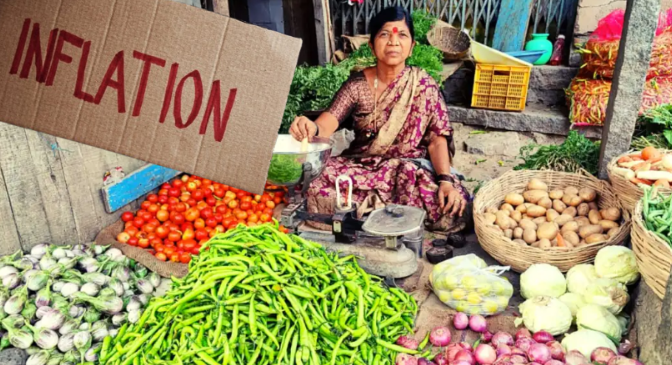
Amaravti, Oct 12: Andhra Pradesh recorded a retail inflation rate of 6.29% in September 2026, significantly higher than the national average of 5.54%. Rising food prices and higher inflation in rural areas contributed to the state’s growing price pressures, according to provisional data released by the National Statistics Office (NSO), under the Ministry of Statistics and Programme Implementation.
The figures highlight the increasing cost of essential goods and services across Andhra Pradesh. The state’s general Consumer Price Index (CPI) stood at 108.75 under the new 2024 base series.
Rural Inflation Higher Than Urban Inflation in Andhra Pradesh
Rural households in Andhra Pradesh faced higher inflation than their urban counterparts in September 2026.
Retail inflation in rural areas reached 6.63%, while the rural Consumer Price Index stood at 108.82. In urban areas, inflation was comparatively lower at 5.74%, with the urban CPI recorded at 108.65.
The gap between rural and urban inflation reflects differences in price pressures across the state. A similar trend was observed nationally, where rural inflation reached 6.08%, compared with 4.88% in urban areas.
Higher inflation can place additional pressure on household budgets, particularly in rural communities where spending on essential goods accounts for a significant share of household expenses.
Andhra Pradesh Food Inflation Reaches 10.18%
Food prices were a major contributor to inflation in Andhra Pradesh during September 2026. The state’s food inflation rate climbed to 10.18%, indicating continued pressure on the cost of essential food items.
At the national level, food inflation increased to 7.74%, according to the reported figures. Sharp price increases in several essential commodities contributed to the rise.
Onion prices recorded an inflation rate of 108.09% nationally. Garlic inflation stood at 54.62%, while lemon prices recorded inflation of 36.41%.
These increases can significantly affect household spending, as onions, garlic are commonly used in everyday cooking.
Higher food prices are particularly concerning for lower- and middle-income households, which may have limited flexibility to manage increases in their monthly grocery expenses.
Other Sectors Also Contribute to Price Pressures
Food prices were not the only factor driving inflation. Several non-food categories also recorded high inflation rates nationally in September 2026.
Personal care and miscellaneous items recorded inflation of 13.75%, while restaurants and accommodation services reported 9.36%. Transport costs increased by 5.01%.
These increases can affect daily living expenses, including personal care purchases, eating out, accommodation and travel.
The combined impact of rising food and non-food prices can increase the overall cost of living for households.
Andhra Pradesh Among the Top Five States for Retail Inflation
Andhra Pradesh ranked fifth among major Indian states with populations exceeding 50 lakh, based on the reported retail and food inflation figures for September 2026.
Tamil Nadu recorded the highest headline inflation at 6.81%, with food inflation reaching 10.62%. Odisha followed with headline inflation of 6.70% and food inflation of 9.58%.
Madhya Pradesh reported headline inflation of 6.68%. Telangana recorded headline inflation of 6.64%.
Andhra Pradesh followed these states with headline inflation of 6.29% and food inflation of 10.18%.
The figures place Andhra Pradesh above the national retail inflation average, while its food inflation rate also remains higher than the national food inflation figure of 7.74%.
Rising Inflation Raises Concerns Over Household Expenses
The September 2026 inflation data point to continued price pressures in Andhra Pradesh, particularly in rural areas and the food sector.
With retail inflation at 6.29% and food inflation at 10.18%, households may face higher expenses for groceries and other essential items. Rural consumers appear to be experiencing greater inflationary pressure than urban consumers.
The coming months will show whether food prices moderate or continue to put pressure on household budgets. Changes in essential commodity prices and broader inflation trends will remain important indicators of the state’s cost-of-living situation.





