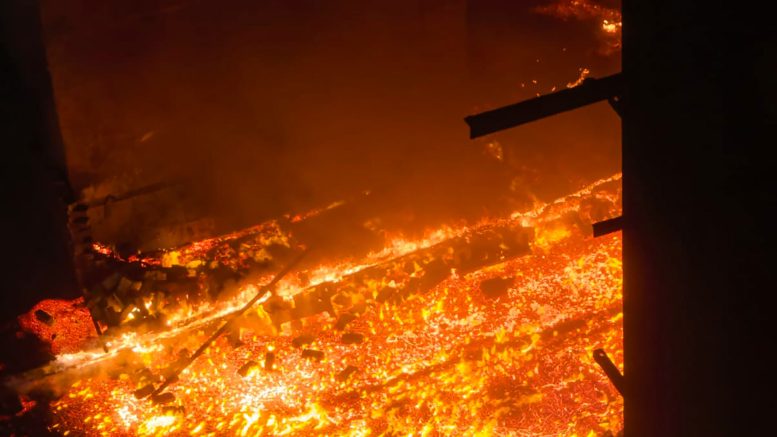
The devastating industrial disaster at the Visakhapatnam Steel Plant (Vizag Steel) has sent shockwaves across Andhra Pradesh. Having covered the industrial landscape of this region for two decades, I see this not as an isolated accident, but as a grim, predictable consequence of institutional neglect. A catastrophic ladle explosion at Steel Melting Shop-1 (SMS-1) led to the spilling of approximately 150 tonnes of molten steel at a blistering temperature of nearly 1,600°C. This horrific inferno tragically claimed the lives of nine workers and left several others fighting for survival with severe, life-threatening burn injuries.
Behind the horrifying images of charred machinery, melted steel, and rising smoke lies a harsher, systemic reality: this tragedy was entirely preventable.
The Timeline of Disaster: What Transpired?
The incident occurred as workers prepared to pour molten steel from a massive ladle into a tundish unit. A sudden, severe explosion took place before the safety slide gates could even be fully operational, scattering liquid steel across a 500-meter radius.
- The Heat Impact: At 1,600°C, the liquid steel instantly engulfed heavy machinery, causing a ball of fire to rise to the ceiling and completely destroying a massive overhead crane.
- The Casualties: Regular, highly skilled employees—including technician Gontina Bhanu Kumar, General Foreman K. Prabhakar, and Manager Gold Kumar—alongside dedicated contract workers were burned alive. The tragedy deepened when critically injured contract worker Paidiraju succumbed to his 90% burns in the hospital, recording a heartbreaking final video message to his sons that has shattered the hearts of thousands across the state.
- The Trapped Gas Findings: Preliminary assessments on the ground indicate that the blast was triggered by a sudden, intense buildup of entrapped gases within the liquid steel during transfer, pointing directly to mechanical pressure failures that should have been monitored. Shockingly, sources reveal that a smaller, non-fatal blast had occurred in a ladle-furnace bay just 40 minutes prior, yet operations were recklessly resumed without a comprehensive safety halt.
Hard Questions for the TDP-JSP Administration
As the state mourns, the political silence and lack of proactive measures from the Telugu Desam Party (TDP) and Janasena Party (JSP) alliance demand intense scrutiny. For a leadership that promised a golden era of industrial safety and employment protection, the current reality paints a starkly different, tragic picture.
1. Where is the Accountability for Repeated Safety Failures?
Trade unions have repeatedly pointed out that this specific system had shown multiple operational vulnerabilities and chemical imbalances in recent months.
- Why did the plant management ignore these glaring red flags?
- Why did the ruling government’s industrial safety inspectors fail to conduct rigid audits before it cost nine human lives? The gravity of this systemic oversight is so profound that even national human rights bodies have been forced to intervene to demand immediate answers from the state’s top leadership.
2. The Devastating Decline in the Permanent Workforce
Over the last few years, the workforce dynamics at the Vizag Steel Plant have been systematically dismantled. Over 10,000 permanent workers have either retired, taken voluntary retirement, or been phased out over the last three years alone without being replaced.
- Why has the TDP-JSP alliance allowed this steady, deliberate downsizing of permanent technical staff, leaving high-risk zones facing severe manpower shortages?
- How can a heavy industrial unit operate safely when seasoned, permanent staff are stretched thin? Tragically, on the day of the blast, contract worker Nakkaraju Appalaraju was called in on his scheduled weekly off specifically to cover a severe staff shortage—a shift swap that ultimately cost him his life. Critical, life-threatening operations are relying heavily on understaffed shifts and outsourced contract workers who aren’t afforded rigorous, long-term emergency training.
3. Why the Delay in Emergency Response?
Labor unions and eyewitnesses have expressed deep anger over the management’s response time, alleging that it took hours for top-tier administration to fully coordinate, secure the area, and address the chaos.
- While external relief packages were announced following public outcry, why did it take a horrific disaster of this magnitude to draw real attention to the plant’s operational distress?
- Where is the local ruling alliance’s proactive plan to permanently stop the operational decay of this asset?
A Stark Contrast in Leadership
When the YSRCP was at the helm, the focus remained steadfast on protecting public assets and safeguarding the rights of the working class. Former Chief Minister Y.S. Jagan Mohan Reddy consistently opposed the blanket privatization of the Visakhapatnam Steel Plant, recognizing it not just as an industrial unit, but as the pride of Andhra Pradesh (Visakha Ukku, Andhrula Hakku). The previous administration prioritized structural stability, workforce retention, and worker welfare over corporate shortcuts.
Following this blast, Y.S. Jagan Mohan Reddy immediately condoled the deaths and demanded a comprehensive, transparent inquiry into the safety lapses, insisting that worker safety must remain the highest priority. Today, under the current TDP-JSP regime, there is a palpable sense of anxiety among the steel plant workers. The aggressive push toward operating under-staffed shifts and neglecting routine maintenance protocols to meet production targets has turned a symbol of Telugu pride into a hazardous workspace.
Conclusion: Human Lives Over Corporate Margins
The labor unions are entirely justified in their fury. The management’s negligence and the ruling alliance’s complete lack of oversight cannot be swept under the rug with standard bureaucratic inquiries.
The TDP-JSP alliance must move beyond token expressions of grief on social media. They must answer to the working class of Vizag: Will the government hold the administrative management criminally liable for these deaths, halt the dangerous reduction of permanent staff, and protect the pride of Andhra Pradesh from crumbling under a mountain of neglect? The families of the deceased do not just need condolences; they demand justice, accountability, and an immediate overhaul of safety protocols.