Police System under Severe Strain
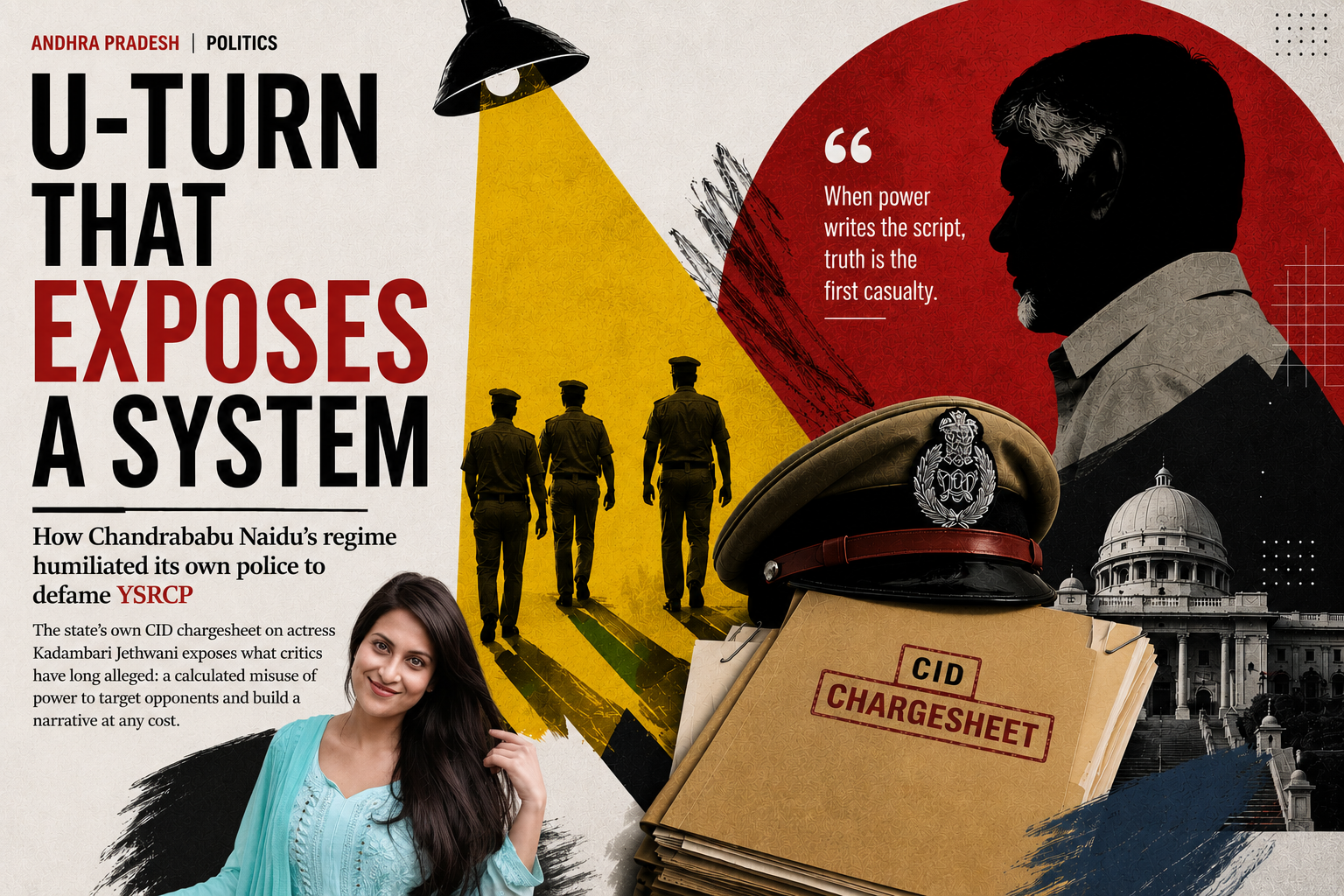
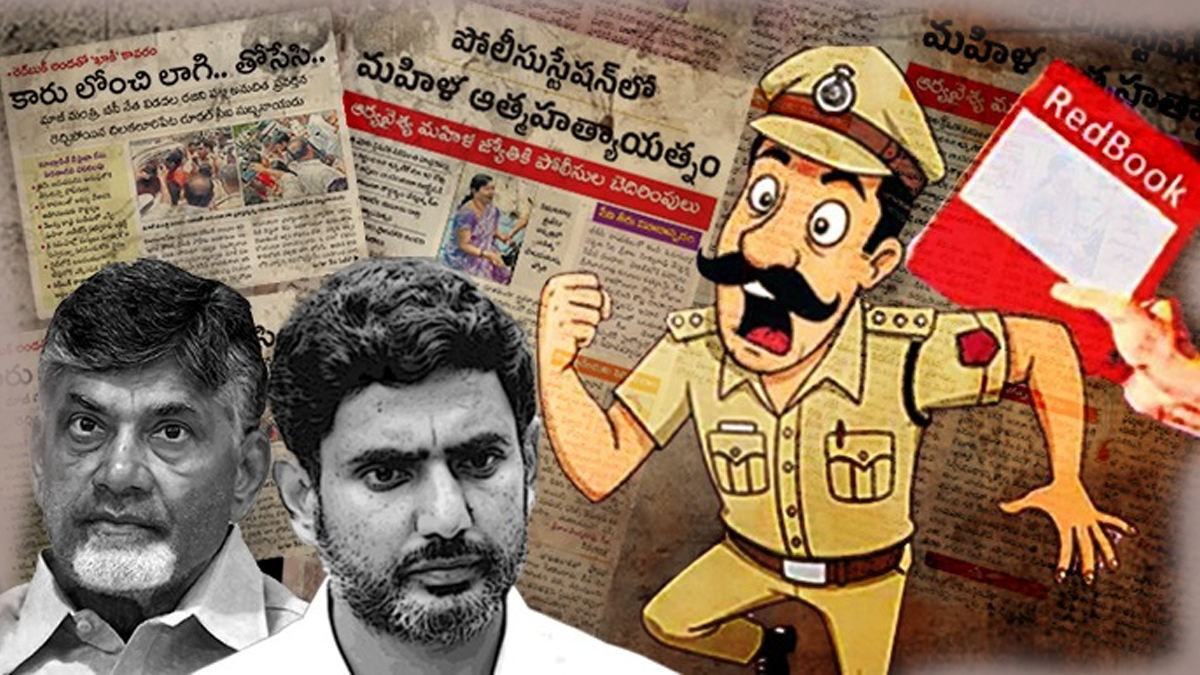
Andhra Pradesh is witnessing a deepening institutional crisis, where governance is increasingly being described as “Red Book rule” replacing constitutional norms, raising serious concerns over the survival of democratic systems in the state. The shift towards what is termed “political governance” has had a direct and damaging impact on law enforcement, with the police system reportedly losing neutrality and operational discipline. Instead of acting as custodians of law, sections of the police force are seen aligning with political interests, creating a climate of fear, arbitrariness, and systemic breakdown.
Police System under Political influence
The most alarming aspect of the current situation is the visible erosion of independence within the police department. Officers entrusted with protecting citizens are increasingly accused of acting under political direction. Complaints from the principal opposition are routinely ignored, while even minor allegations from ruling party affiliates trigger swift and aggressive action. This asymmetry has created a perception that law enforcement is no longer guided by legal principles but by political considerations.
Illegal arrests, multiple FIRs across stations, denial of bail, and custodial torture have become recurring patterns. Reports indicate that even individuals located in neighbouring states are being tracked, detained, and brought back for harassment. Such practices not only violate due process but also undermine the foundational principles of federalism and civil liberties.
Palnadu as the Epicentre of Breakdown
The Palnadu region has emerged as a focal point of this crisis, with a series of disturbing incidents highlighting systemic failure. A sub-sarpanch, Nagamalleswara Rao, died by suicide following alleged police harassment. A YSRCP leader, Talapala Venkateswarlu, publicly appealed for protection through a video, yet no action followed. In another case, a party leader attempting to surrender in court was allegedly assaulted and abducted by police personnel, followed by the registration of multiple cases.
Instances of excessive force and intimidation have extended to senior political figures as well. Former minister Vidadala Rajini was reportedly manhandled by a CI, dragged out of a vehicle, and threatened with further cases. These incidents point to a normalization of coercive policing practices.
From Misconduct to Criminal Complicity
The crisis goes beyond misconduct, with multiple instances suggesting direct involvement of police personnel in criminal activities. In a shocking development, a CI was suspended for allegedly accepting a bribe to facilitate an honour killing and attempting to misrepresent it as a suicide. Similarly, an ASI was exposed for recording videos of couples, blackmailing them, and subjecting women to sexual exploitation.
Further compounding the issue, a constable was arrested in connection with the murder of a lawyer, raising serious questions about internal accountability. In another case, police allegedly attempted to abduct a Dalit leader by entering his residence in plain clothes, indicating a breakdown of procedural safeguards.
Targeting of Social Media voices
The crackdown has extended into the digital space, where social media users and activists are increasingly being targeted. Even minor posts critical of the government are reportedly leading to arrests, illegal detention, and physical abuse. This reflects an expanding surveillance and suppression mechanism aimed at controlling dissent, raising concerns over freedom of expression and democratic rights.
Selective Silence on Serious Allegations
A critical dimension of the issue is the selective inaction in cases involving ruling party leaders. Multiple allegations of sexual misconduct, harassment, and abuse against elected representatives have not resulted in visible legal action. In one instance, a rape complainant was reportedly assaulted in public, even in the presence of police. Complaints against several public representatives have either been ignored or diluted, reinforcing perceptions of selective enforcement.
Systemic Collapse and Public Distrust
The cumulative effect of these developments is a growing public distrust in institutions meant to uphold justice. When law enforcement agencies are perceived as instruments of political control, citizens are left vulnerable and uncertain. The normalization of custodial violence, arbitrary arrests, and intimidation tactics indicates a structural collapse rather than isolated incidents.
The role of top leadership—including the Chief Minister, senior ministers, and the Director General of Police—has come under scrutiny, with accusations that governance priorities have shifted away from public welfare toward political consolidation.
Urgent Need for Institutional Reset
The unfolding situation in Andhra Pradesh reflects more than a law-and-order issue; it signals a deeper governance crisis where institutional integrity is at stake. Restoring public confidence will require immediate corrective measures, including independent investigations, strict accountability for erring officials, and a clear reaffirmation of constitutional governance.
Without such intervention, the continued erosion of law enforcement credibility risks long-term damage to democratic structures and civil liberties in the state.