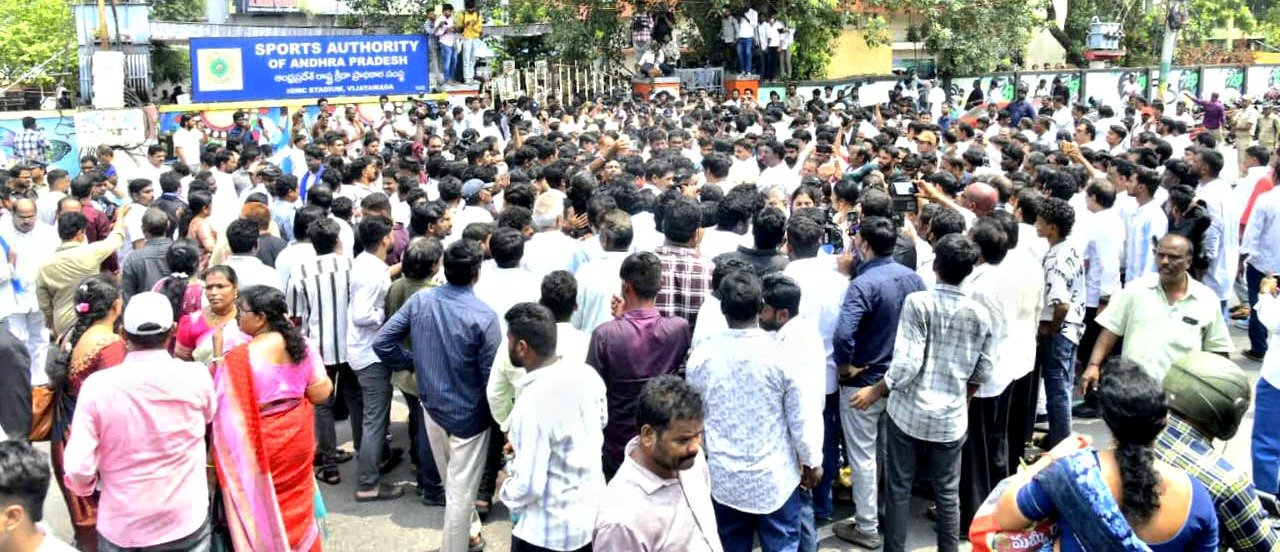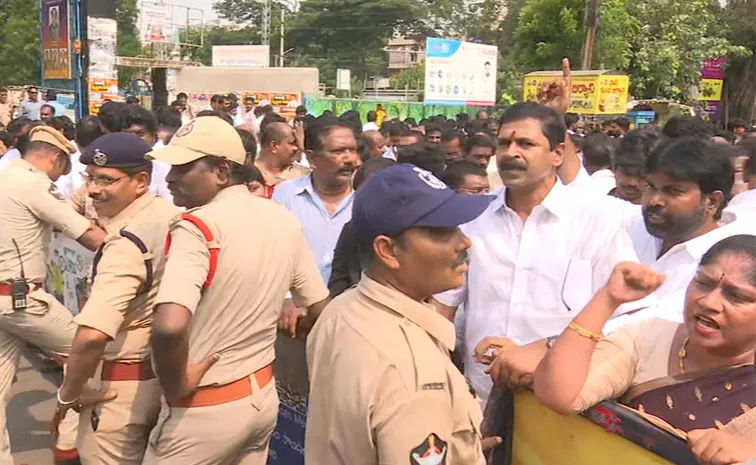
The agricultural heartland of Andhra Pradesh is currently witnessing a silent tragedy. As the Rabi season draws to a close, maize farmers find themselves caught between a stubborn Central Government and a state machinery that failed to anticipate a massive surge in production. What should have been a season of harvest and prosperity has instead turned into a struggle for survival.
The Failure of Forecasts
The primary catalyst for this crisis is a staggering miscalculation in crop planning. While the typical cultivation area for Rabi maize is around 5 lakh acres, this year it skyrocketed to 12.5 lakh acres an increase of 7.5 lakh acres compared to the previous year.
Despite having ground-level staff and digital e-crop registration systems, the state government failed to recognize this massive shift in time. Consequently, the necessary marketing facilities and procurement centers were never prepared to handle the incoming yield.
Economic Despair by the Numbers
The financial toll on the “Annadata” (farmers) is devastating:
Total Estimated Loss: Farmers are projected to lose over ₹3,000 crores when factoring in investment costs, lease prices, and market drops.
Price Collapse: While the Minimum Support Price (MSP) is set at ₹2,400 per quintal, market prices have crashed to between ₹1,600 and ₹1,700.
Loss per Quintal: Farmers are losing approximately ₹800 on every quintal sold.
Desperation Sales: Unable to store their harvest or bear the burden of mounting debts, nearly 60% of farmers have already sold their produce at whatever throwaway price they could get.
A Paper Trail of Neglect
The administrative response has been characterized by “letters rather than labor”. Chief Minister N. Chandrababu Naidu has reportedly written to the Central Government twice, requesting intervention and the implementation of the Price Deficiency Payment (PDP) scheme.
However, the Centre remains unresponsive, leaving the state in a state of “unmoved silence”. This “war of letters” between governments has provided zero relief to the farmers on the ground, who are now vulnerable to syndicates and traders exploiting the lack of government procurement.
Compounding Troubles: Weather and Infrastructure
Adding to the misery, unseasonal rains have threatened the harvest at its most critical stage. To make matters worse, a shortage of fuel (petrol and diesel) has hindered the use of mechanical harvesters, further delaying the process and increasing costs.
The Looming Crisis
With the Kharif season set to begin by May 15th, farmers are in a state of panic. Their pockets are empty, and their spirits are broken. Without an immediate announcement of a bonus or a robust procurement plan to stabilize prices, the rural economy of the state faces the risk of a severe collapse.
The farmers of Andhra Pradesh don’t need more letters; they need action, fair prices, and the assurance that their hard work won’t result in bankruptcy.