Andhra Pradesh is an agricultural state where its farmers wake before dawn to tend paddy fields, run diesel-powered irrigation pumps, operate harvesting equipment, and keep the food supply of millions moving. When diesel runs out, it is not an inconvenience. It is an emergency. This weekend, that emergency arrived and the TDP government was nowhere to be found.
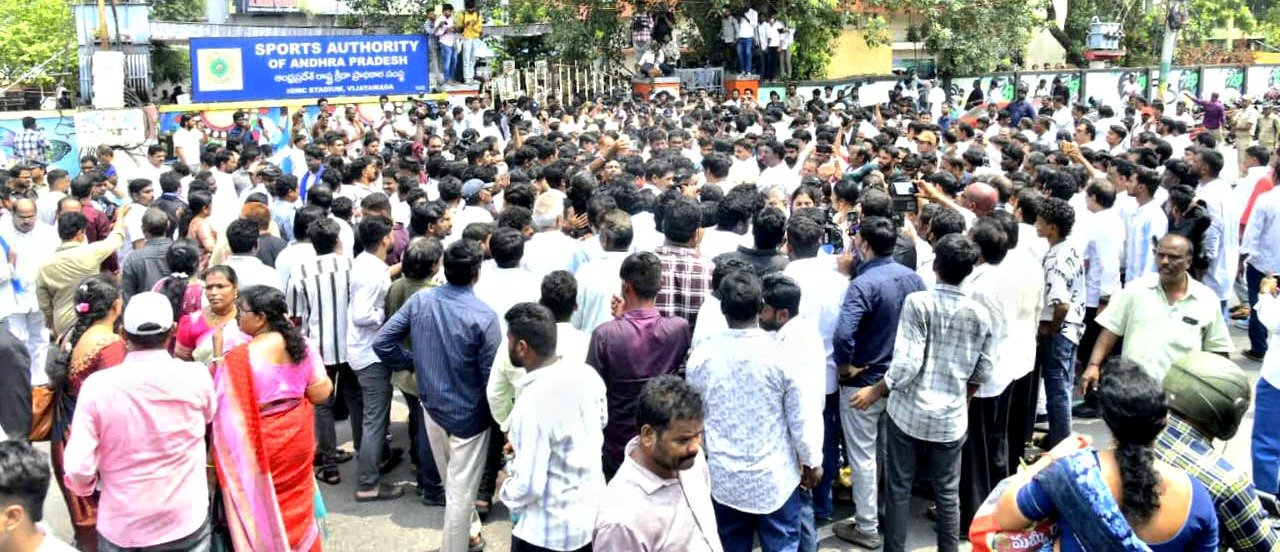
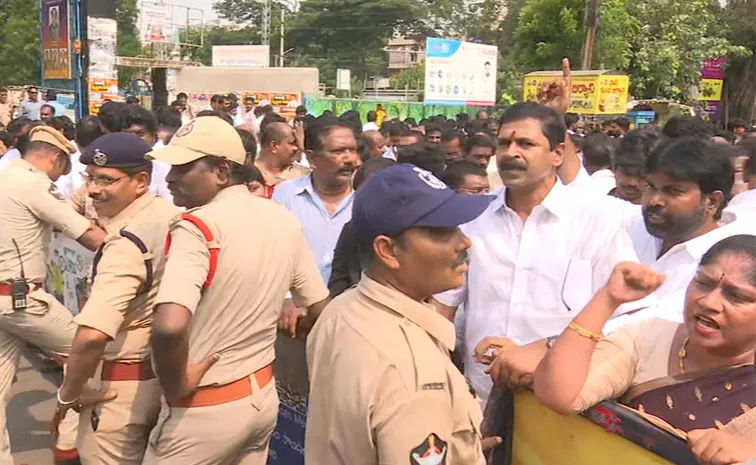
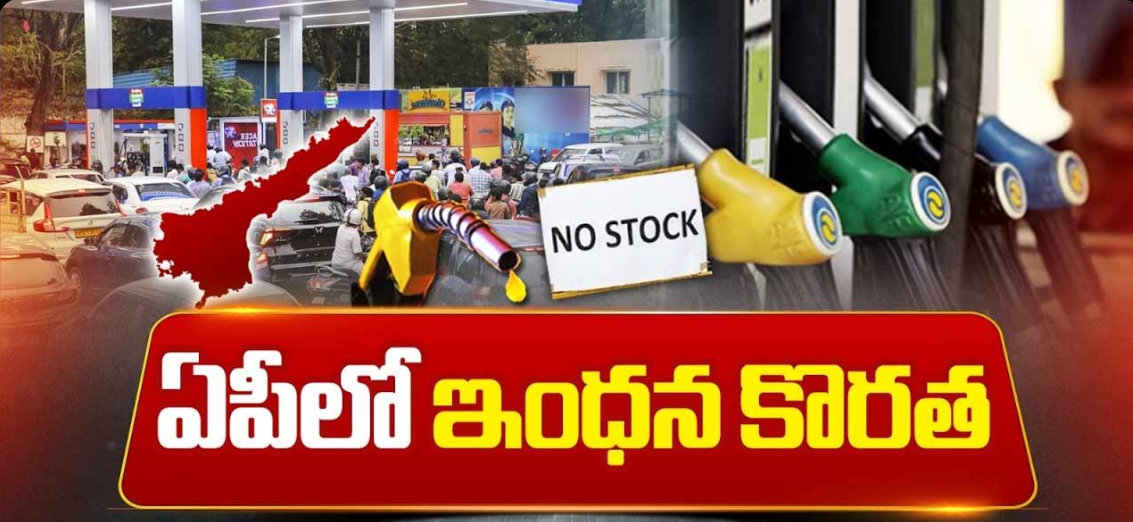
Across Andhra Pradesh, “No Stock” boards appeared at fuel stations from Vijayawada to Kakinada, from Kurnool to Tirupati, from Guntur to Machilipatnam. Officials admitted that nearly 10 per cent of petrol bunks have shut down due to a lack of supplies, while several others faced an acute shortage. Long queues stretched for half a kilometre at functioning stations. Police were deployed to manage crowds. Rationing was imposed petrol capped at ₹300 for two-wheelers, diesel at ₹1,000 for cars, leaving hundreds of motorists waiting for hours, only to return home empty-handed.
This is not a crisis that arrived without warning. It is a crisis that a competent government should have anticipated, prepared for, and prevented. That the TDP government did none of these things is not a misfortune. It is a failure of governance plain, documented, and inexcusable.
The Global Excuse and the Local Responsibility
On a global context, the West Asia crisis and the Strait of Hormuz. Rising crude oil prices and Oil companies are absorbing losses of ₹30 to ₹40 per litre. These are real factors, and they deserve acknowledgement. The shortage is attributed to irregular deliveries, with oil companies reportedly restocking every two days, increasing pressure on reserves. This is a genuine supply-side constraint rooted in international market dynamics .
But here is what a state government can and must do: anticipate. Plan. Build buffer stocks in advance of known stress periods. Coordinate with oil marketing companies before shortages materialise into crises. Prioritise agricultural diesel supply during harvest season a calendar event that is entirely predictable, occurring at the same time every year. Issue early advisories. Activate emergency procurement channels.
None of this requires control over global crude markets. It requires nothing more than basic administrative foresight and a government that is paying attention. The West Asia crisis did not begin this weekend. Crude oil price volatility has been visible for weeks. The paddy harvest season in coastal Andhra is not a surprise it arrives every year at the same time. A government that was monitoring both would have seen this collision coming and acted before the “No Stock” boards went up.
That the boards went up anyway across ten per cent of the state’s petrol stations simultaneously is evidence not of an unforeseeable catastrophe but of foreseeable negligence.
What Competent Governance Would Have Looked Like
It is worth being specific, because the TDP government deserves not just criticism but a clear account of what it should have done.
A competent government, upon receiving signals of supply disruption from oil companies signals that were available days before the crisis peaked would have immediately convened an emergency meeting with oil marketing companies, not a routine review. It would have directed prioritised diesel allocation to agricultural districts during the harvest window. It would have activated state-level strategic petroleum reserves if available, or negotiated emergency supply arrangements with neighbouring state depots. It would have issued clear public communication early not to prevent panic but to manage expectations honestly and prevent the information vacuum that breeds panic. It would have deployed district collectors to coordinate last-mile supply to farming communities specifically.
None of this is extraordinary. These are standard crisis management tools available to any reasonably functional state government. The tragedy of the Andhra Pradesh fuel crisis of April 2026 is not that the tools were unavailable. It is that no one reached for them until the queues were already half a kilometre long.