Chandrababu rule crushing People with relentless charges
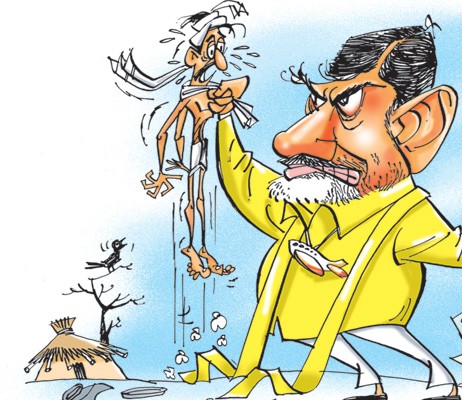
From roads to fuel, water to registrations, and even morning walks, citizens across Andhra Pradesh are allegedly being burdened with a wave of taxes, user charges, and levies under the current government. The administration, critics say, has turned governance into a system of relentless collections, pushing people into financial strain while welfare support continues to shrink.
A State where everything is Taxed
According to widespread criticism, life under the present government has become synonymous with “tax at every step.” Whether purchasing a vehicle, registering property, refueling at petrol stations, buying liquor, or even accessing drinking water, citizens are being charged at multiple levels. Even access to parks and stadiums has reportedly been monetised, reflecting what critics describe as a governance model focused more on revenue extraction than public welfare .
Rising Charges Across Sectors
Electricity tariffs alone have imposed a burden of nearly Rs. 19,000–Rs. 20,000 crore in a short span, with consumers facing repeated hikes. Registration charges have also been increased by 40–50 percent in most regions, excluding Amaravati, with a revenue target of Rs. 13,000 crore. Similarly, vehicle buyers are now subject to an additional 10 percent road cess, while petrol and diesel taxes continue to weigh heavily on households despite earlier promises of reduction .
Liquor prices have risen significantly, with both official and unofficial increases pushing per-bottle costs higher by Rs. 10 to Rs. 30, adding further strain on consumers.
User charges expand into Daily Life
The imposition of user charges has extended into everyday services. In Amaravati, residents and businesses are expected to pay for utilities, water supply, sanitation, and infrastructure maintenance through recovery tariffs. In rural areas, drinking water schemes are also being brought under user-charge models, placing an additional annual burden exceeding Rs. 1,000 crore on villagers. Even walkers at government stadiums in Visakhapatnam are now required to pay entry fees, a move that has sparked sharp criticism .
Local-Level ‘Taxes’
Beyond official charges, allegations have surfaced of informal “tax collections” in several districts under the influence of ruling party leaders. These include various forms of levies and pressure tactics affecting traders, small businesses, and transport operators. Reports of such practices have fueled concerns about governance becoming increasingly coercive and unregulated .
Welfare shrinks as burden grows
Critics argue that while the government increases revenue through multiple charges, welfare schemes have either been diluted, delayed, or discontinued. Promises made during elections, including enhanced welfare under flagship programmes, remain largely unfulfilled. The contrast between earlier direct benefit schemes and the current emphasis on revenue collection has triggered public debate on the changing nature of governance.
Conclusion
The prevailing sentiment, as reflected in public criticism, is that governance has shifted from welfare delivery to aggressive revenue mobilisation. With rising costs across essential services and limited relief measures, concerns are mounting that the burden on ordinary citizens is reaching unsustainable levels, turning everyday life into an expensive affair under what is being widely termed as the “Baadudu Babu” regime.