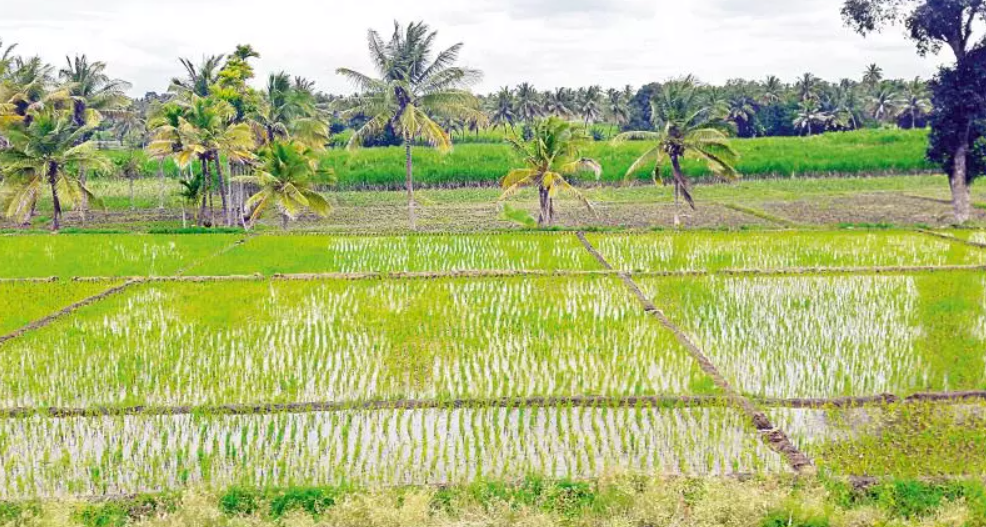
As the Rabi season, which began in October, draws to a close in the second week of April, a serious concern has emerged from the Godavari districts not a single farmer has been registered under the crop insurance scheme. This alarming situation has raised questions over the implementation of the crop insurance program during the 2024–25 Rabi season under the ruling Telugu Desam Party-led coalition government.
Traditionally, the state government bears a significant share of the insurance premium. However, this season, farmers allege they were directed to pay their share of the premium upfront, effectively shifting the burden onto farmers. This unexpected financial pressure discouraged participation, especially among small and marginal farmers, many of whom are already operating under tight margins.
While during previous YSRCP government promptly paid input subsidy and crop insurance and also established ₹3,000 Price Stabilization Fund.
Policy Changes and Declining Participation
Further complicating the issue are changes made by the Central Government to crop insurance norms. Following revisions introduced in October 2022, the process of e-Crop registration and insurance enrollment became more farmer-driven and voluntary. While intended to provide flexibility, the outcome appears to be the opposite. Farmers report that insurance has effectively become optional rather than protective . Also, awareness and clarity on enrollment remain limited
Participation has dropped to near zero in the current Rabi season.
The timing could not be worse. During this Rabi season, several farmers cultivating agricultural and horticultural crops have reported significant losses, with some areas witnessing severe damage due to adverse conditions. In the absence of adequate registrations, Farmers are left without insurance coverage. Compensation mechanisms remain inaccessible. Financial distress risks deepening across rural households
Systemic Gaps
Farmers and stakeholders have raised serious concerns over multiple systemic failures affecting the crop insurance scheme. Primarily is the delay or complete absence of the state government’s premium contribution, which has shifted the financial burden onto already distressed farmers. This is compounded by a lack of awareness and clear guidance regarding changes in the revised scheme, leaving many farmers confused about enrollment procedures, eligibility, and benefits. The situation is further aggravated by declining trust in the system, largely due to delays and inconsistencies in past claim settlements.
Additionally, legal complexities involving insurance companies have created further uncertainty. In several instances, disputes over compensation have escalated into legal challenges, prolonging resolution timelines and discouraging farmers from participating in the scheme altogether. Together, these issues point to a breakdown in both policy execution and institutional support, ultimately undermining the very objective of providing financial security to farmers.
Conclusion
The near-zero enrollment in crop insurance during a season marked by losses highlights a critical policy and implementation failure. Without timely intervention through awareness, financial support, and streamlined processes, farmers risk losing access to a crucial safety net. At a time when climate uncertainties are rising, crop insurance should serve as protection, not a burden. The current scenario underscores the urgent need to restore farmer confidence and ensure that the system works for those it is meant to protect.