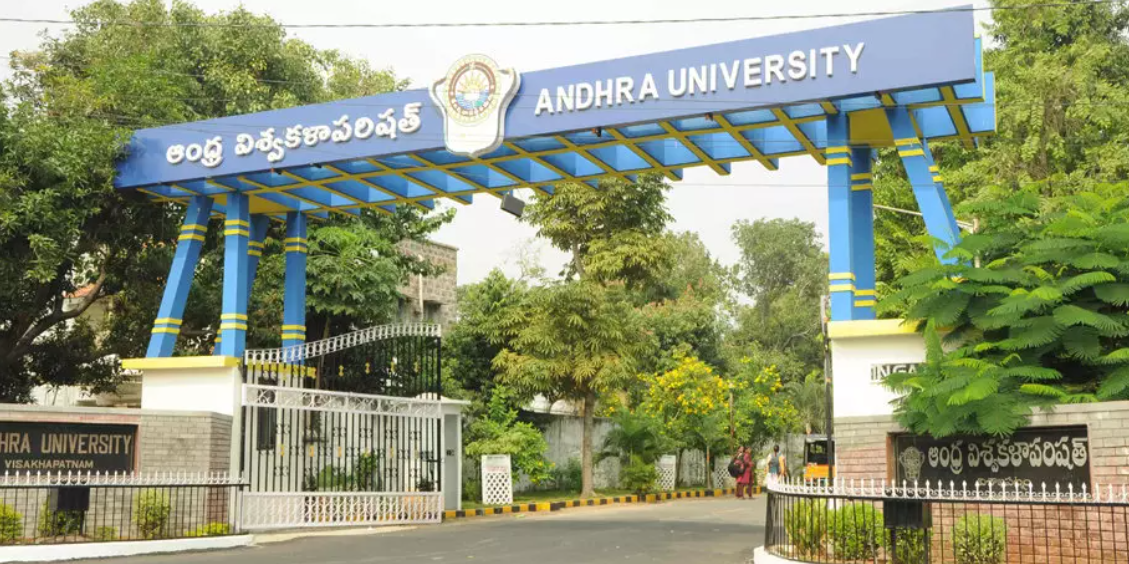
Prolonged VC vacancies, severe faculty shortages, and funding constraints leave Andhra Pradesh universities struggling to make critical academic and administrative decisions.
The Vice-Chancellor posts at 6 Andhra Pradesh State Universities remain vacant even after 20 months of the TDP administration, raising serious concerns about the State Government’s commitment to higher education.
Higher education in Andhra Pradesh is already under severe strain due to faculty shortages, financial constraints, and declining institutional support. In such a situation, the absence of regular Vice-Chancellors makes it extremely difficult for universities to take critical academic, administrative, and financial decisions necessary for their long-term sustainability.
Traditionally, Vice-Chancellors continue in their positions even after a change in government to ensure institutional continuity and academic autonomy. However, after coming to power in 2024, the TDP government asked the existing Vice-Chancellors to resign, a move widely viewed as political interference in the higher education system.
As a result, most of the Vice-Chancellors stepped down, leaving universities to be run by in-charge Vice-Chancellors. This arrangement has significantly slowed decision-making, with several crucial governance and policy matters remaining pending.
Although the government issued a notification in September 2024 to appoint Vice-Chancellors for 17 universities, several posts continue to remain vacant even today. This prolonged delay reflects administrative negligence and a lack of urgency in addressing the leadership vacuum in the state’s universities.
The continued absence of permanent leadership in these institutions not only disrupts academic governance but also undermines the credibility and future of higher education in Andhra Pradesh.
Faculty Posts Remain Vacant :
Out of the total 4,330 regular academic posts across Andhra Pradesh State Universities, only 1,048 posts are currently filled. This means over nearly 76% faculty positions remain vacant, forcing universities to depend heavily on outsourced, contract, or temporary faculty to run academic programs.
Such a severe shortage of regular faculty not only affects the quality of teaching and research but also undermines the academic stability and long-term development of these institutions.